
September 2, 2026 · Emre Kurt, Lawyer
Greece Golden Visa: Rhodes, Corfu, Zakynthos Status
Rhodes, Corfu and Zakynthos are all in the €800,000 Zone A for the Golden Visa. Yield, liquidity profiles and 2026 tourism restrictions in this guide.
Although Rhodes, Corfu and Zakynthos are among Greece's most recognised tourist islands, all three are subject to the same investment tier for the Golden Visa: €800,000. Contrary to what many investors assume, this means the "smaller or less-known island = lower threshold" logic does not apply here. In this article we examine the three islands' shared threshold structure, their distinct investment profiles, and the new restrictions that took effect in 2026.
An Important Correction: All Three Are Subject to €800,000
As the populations of Rhodes, Corfu and Zakynthos exceed the 3,100 threshold, all three are assessed under Zone A and subject to the €800,000 minimum investment threshold. This is a common error that many advisory sources still incorrectly state as "€800,000 applies only to Attica"; in reality more than 32 islands are subject to this threshold, including Crete, Rhodes, Corfu, Paros and Naxos. People planning to invest on these three islands must therefore build their budget on €800,000 from the outset.
Comparison of the Three Islands
| Criterion | Corfu | Rhodes | Zakynthos |
|---|---|---|---|
| Threshold | €800,000 | €800,000 | €800,000 |
| Profile | Sailing, culture, quiet luxury | Stable year-round demand | Variable by location |
| Tourism Season | ~8 months | Year-round (Rhodes City) | Seasonally intensive |
| Yield | 5-7.5% (up to 8% in the Old Town) | Strong, stable year-round | Location-dependent, variable |
| Liquidity | Highest — recognisability, airport | Strong | More limited |
| 2026 Restriction | Central STR freeze | Category A "saturated" (partial) | Category A "saturated" (partial) |
Corfu: The Most Liquid and Cultural Profile
Corfu has the most liquid property market of the three islands, due to the island's recognisability, airport access, strong international demand and rich historic housing stock. Corfu is especially popular among British and Northern European investors; the island's profile reflects a quiet luxury focused on sailing, culture and historic charm rather than parties or nightlife. Greece's oldest golf club and a deep-rooted cricket tradition carry traces of the island's British colonial heritage.
Corfu's tourism season effectively lasts 8 months; this is an important factor supporting the island's ROI potential. While gross yield in sea-view villas in the northeast runs in the 5-7.5% range, in restored apartments in the UNESCO-listed Old Town this can reach 8% due to extreme scarcity. Appreciation of about 12% was recorded up to 2025; a stable increase in the 6-8% range is projected for 2026.
As of 2026, short-term rental registration for new Golden Visa purchases in central Corfu was frozen; this has shifted the market to a long-term premium rental model aimed at the digital nomad community and maritime professionals linked to port expansion. Also, in Corfu's historic centre, the €250,000 Zone C route via commercial-to-residential conversion is still offered as an accessible alternative.
Rhodes: Year-Round Stability
Rhodes, especially Rhodes City, is among the areas with one of the strongest year-round rental yields across Greece; this is an important advantage compared with the extremely seasonal profile of Mykonos and Santorini. This stability stems from the island having not only summer tourism but also historic and cultural tourism; Rhodes City's Medieval castle is on the UNESCO World Heritage list and attracts visitors year-round.
Under the Special Spatial Framework for Tourism that took effect in May 2026, some parts of Rhodes were also classified as "Category A — saturated"; this brings restrictions that limit new tourist accommodation to 100 beds and require a carrying-capacity assessment before new development.
Zakynthos (Zante): Variable by Location
Zakynthos has international recognition for iconic natural beauty like Navagio (Shipwreck) Beach and its blue caves. However, compared with Corfu, yield and demand on the island are far more dependent on season and the quality of the specific location; this makes it a market that is not as stable or liquid as Corfu. Some areas of Zakynthos were also subject to the "Category A — saturated" classification under the May 2026 regulation.
Those considering investing in Zakynthos should assess the specific area's tourism profile, ease of access and seasonal demand structure separately, rather than expecting uniform performance across the island.
Common Risks on All Three Islands
- Limited supply of quality property can create price pressure, especially in in-demand locations.
- High renovation costs can be involved in older building stock.
- Dependence on a professional management company for remotely managed properties requires additional cost and trust.
- Access and infrastructure issues; on some islands, flights and ferry services can decrease significantly in winter.
- Building legality (zoning status, permit) must be confirmed with title due diligence before purchase.
- Non-EU citizens may be subject to additional review in some border and strategic areas; this should be considered especially in areas close to the Turkish coast such as the Eastern Aegean and Rhodes.
Which Island Suits Whom?
- For those prioritising liquidity, cultural character and proximity to the British/Northern European expat community: Corfu.
- For those seeking stable year-round rental income and historic/cultural tourism demand: Rhodes (especially Rhodes City).
- For investors who value iconic natural beauty but can accept seasonal fluctuations: Zakynthos.
Let's take the right step toward your Greece Golden Visa together.
From choosing the right project to the application and residency, we are with you end to end.
Get a Free ConsultationFrequently Asked Questions
1. What is the minimum investment for the Golden Visa in Rhodes, Corfu and Zakynthos?
As all three islands have a population over the 3,100 threshold, they are all assessed under Zone A and subject to the €800,000 minimum investment threshold. Contrary to what many investors assume, this means it is not possible to make a standard residential purchase on these islands with a lower budget (like €400,000). The investment must be made through a single property of at least 120 m². On some islands (e.g. Corfu's historic centre), the €250,000 Zone C route via commercial-to-residential conversion can be considered as an alternative.
2. Which of these three islands has the most liquid property market?
Corfu has the most liquid market among the three, due to the island's recognisability, airport access, strong international demand and rich historic housing stock. Rhodes also has strong and stable demand, especially in Rhodes City. Zakynthos offers a more variable liquidity profile than the other two, as its yield and demand are more dependent on season and the quality of the specific location. For investors who value ease of resale, Corfu generally stands out as the safest choice.
3. Which island offers the most stable year-round rental income?
Rhodes, especially Rhodes City, is among the areas with one of the strongest year-round rental yields across Greece; this stems from the island having not only summer tourism but also historic and cultural tourism thanks to its UNESCO-listed Medieval castle. Corfu's tourism season also effectively lasts 8 months, offering a relatively stable profile. Zakynthos has a more seasonally intensive demand structure; so for investors prioritising stable year-round income, Rhodes or Corfu is generally a more suitable option.
4. How does the May 2026 new tourism regulation affect these islands?
Under the Special Spatial Framework for Tourism that took effect in May 2026, some parts of Rhodes and Zakynthos were classified as "Category A — saturated"; this limits new tourist accommodation to 100 beds and requires a carrying-capacity assessment before new development. In Corfu, short-term rental registration for new Golden Visa purchases in the central area was also frozen. These regulations should be seen as structural restrictions that can affect market dynamics and investment strategies (especially the rental model) on all three islands.
5. Are there additional restrictions for non-EU citizens on these islands?
Yes, non-EU citizens may be subject to additional review in some border and strategic areas; this should be considered especially in areas close to the Turkish coast such as the Eastern Aegean and Rhodes. This review is a control mechanism that may be applied in addition to the standard Golden Visa due diligence process. Investors considering buying property in these areas are therefore advised to confirm with a lawyer before purchase whether such additional reviews apply to their citizenship.
Note: The price, yield and regulation information in this article is based on general market observations and can vary significantly by area, project and timing. Contact us to confirm together the most suitable area and its region classification for you in Rhodes, Corfu or Zakynthos.
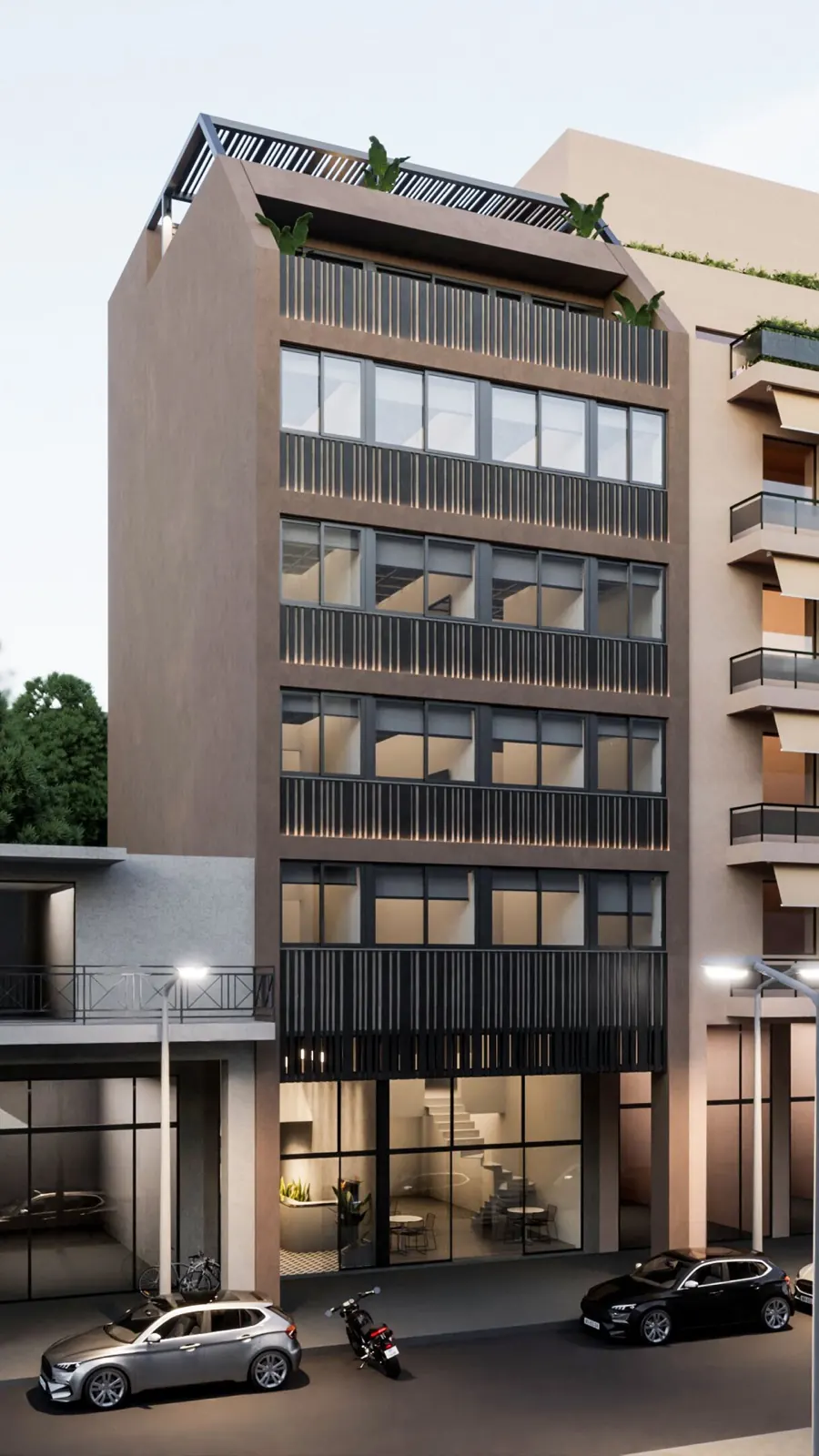 READY TO MOVE IN
Piraeus · AthensGA-04
Piraeus Furnished Apartments
A €250,000 Golden Visa conversion in the port city of Piraeus: ready, fully furnished apartments in a building with smart locks, a reception and a gym. Apartments bought for the Golden Visa can only be let long-term.
- Beds
- 1–2 bed
- Energy Class
- —
- Delivery
- Ready
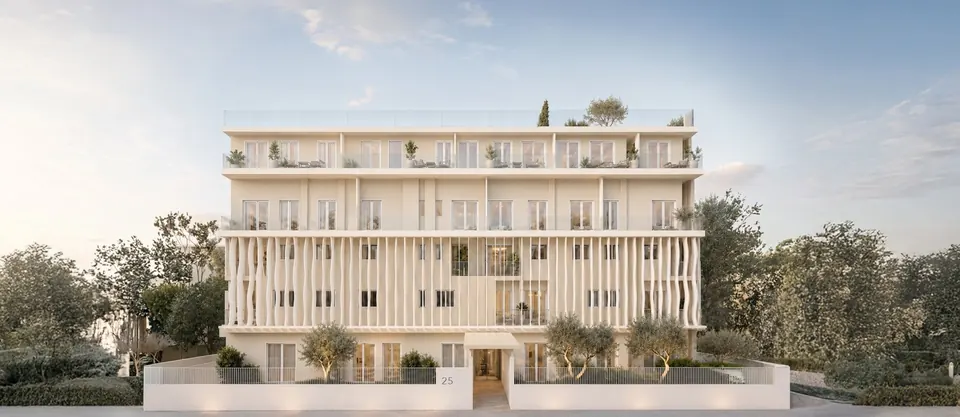
Agios Ioannis Rentis · PiraeusGA-40
Piraeus Garden Residences
A 72-apartment residential complex in Piraeus created by converting a commercial building: a courtyard with a reflecting pool, private garden, outdoor gym and a rooftop terrace with Acropolis and coastline views. 42–81 m², delivered furnished, eligible for the €250,000 Golden Visa.
- Beds
- 1–3 bed
- Energy Class
- —
- Delivery
- 2027
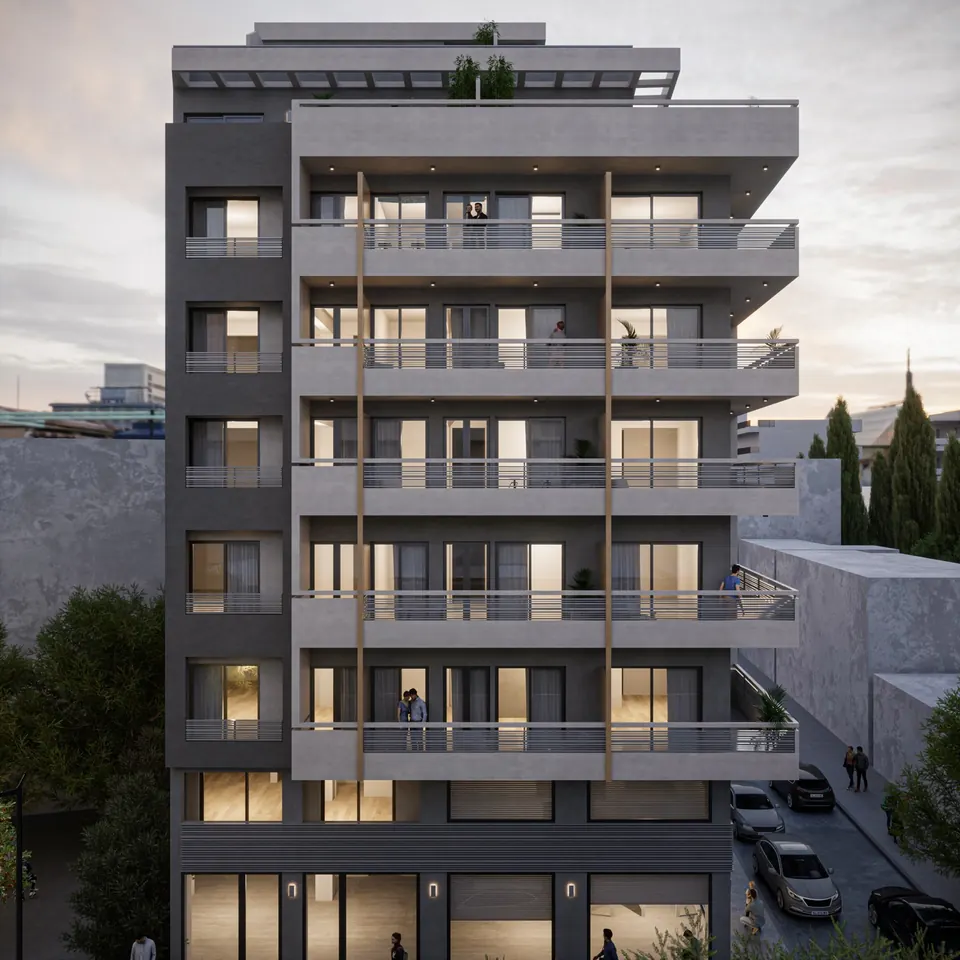 DELIVERY MAR 2027
Larissa Station · AthensGA-02
Larissa Station Residences
A €250,000 Golden Visa conversion beside Larissa Station in central Athens: 21 furnished residences with a gym and shared lounge.
- Beds
- Studio – 3 bed
- Energy Class
- —
- Delivery
- 2027