
September 3, 2026 · Emre Kurt, Lawyer
Greece Golden Visa: Coastal City vs Inland Region Comparison
In the Golden Visa, inland cities (Larissa 7%, Ioannina) beat coastal and metro areas on yield. The coastal-inland performance gap and its reasons for 2026.
Most Golden Visa investors intuitively assume that coastal or island areas are a better investment. However, current 2026 data paints the opposite picture: inland cities like Larissa and Ioannina beat metros like Athens and Thessaloniki, and even many coastal cities, on yield. In this article we examine, with current 2026 data, the real performance difference between coastal and inland investments, the reasons for this difference, and who each profile suits.
A Surprising Finding: Inland Cities Lead the Yield League
According to research by ReDataset (Resolute Group), the strongest residential investment yields across Greece are found outside the two large metropolitan areas. The table below shows the annual yield performance of standout cities as of 2026:
| City | Profile | Annual Yield |
|---|---|---|
| Larissa | Inland (Thessaly plain) | 7% — highest |
| Volos | Coastal + mountain mix | 6% |
| Patras | Coastal (port + university) | 5.9% |
| Heraklion | Coastal (Crete) | 5.5% |
| Ioannina | Inland (mountain city) | 5.5% |
| Thessaloniki | Metro | <4.3% |
| Athens | Metro | 4-5% |
This table reveals a counterintuitive but clear truth: inland cities Larissa and Ioannina match or beat the coastal city Heraklion, while both offer yields markedly above metros like Thessaloniki and Athens.
Why Do Inland Cities Perform Better?
1. A Fundamentally Different Demand Structure
Inland cities (Larissa, Ioannina) have a stable tenant base resting not on tourism but on university students, civil servants and local professionals. This demand structure is not subject to seasonal fluctuation; it offers a stable, predictable rental market year-round. By contrast, demand in coastal and island areas remains largely tied to the tourism cycle.
2. The Asymmetric Effect of the Short-Term Rental Ban
Short-term (Airbnb-style) rental is entirely banned in Golden Visa properties. This ban significantly restricts potential yield in coastal and island areas, because a large part of demand there was already aimed at short-term tourist rental. In inland cities, since demand is already focused on long-term rental, this ban makes far less difference in practice; the existing yield potential is already realistic and achievable regardless of the ban.
3. A More Favourable Price/Rent Balance
With a €400,000 budget, in secondary cities like Patras or Larissa a quality property well above the local median price can be bought. This means the relationship between price and rent is far more favourable than in Athens' premium segment; the investor faces less competition for a relatively larger and higher-quality asset.
But Don't Ignore the Trade-offs
| Inland Disadvantages | Coastal/Island Disadvantages |
|---|---|
| Lower liquidity, limited resale infrastructure | Yield is seasonal, demand drops outside summer |
| Narrow international buyer pool | Most tourism potential unusable due to the STR ban |
| Limited tourist/lifestyle appeal | ENFIA property tax 30-50% higher |
Volos: A Rare Example Where Two Worlds Meet
Volos stands in a particularly interesting position between this duality; it combines both coastal-city features (modern amenities, a lively waterfront, regular ferry connections to the Sporades islands) and, a short distance away, the mountain character of Mount Pelion (traditional architecture, forested hiking trails, year-round appeal). This dual profile is one of the factors explaining why Volos stands out on the list with a 6% annual yield; both tourism and local demand are fed at once.
This Split Applies Even Within Crete
This coastal-inland dynamic shows up even at the island scale. Crete's prime coastal areas (like central Chania) are subject to the Zone A threshold (€800,000), while the island's interior and less-touristic areas can remain in Zone B (€400,000). And according to some analyses, the yield profile of these interior areas can beat Athens' premium segment; this shows that even in Crete, the assumption that "being near the coast is always a better investment" does not hold.
Which Profile Suits Whom?
- For those prioritising maximum yield and low entry cost: inland cities like Larissa, Ioannina.
- For those seeking both lifestyle and balanced yield: coastal+mountain mix areas like Volos.
- For those prioritising liquidity and access to an international buyer pool: recognised coastal cities like Patras or Heraklion.
- For those putting capital preservation and prestige ahead of yield potential: metros like Athens or Thessaloniki, preferable despite lower yield.
Let's take the right step toward your Greece Golden Visa together.
From choosing the right project to the application and residency, we are with you end to end.
Get a Free ConsultationFrequently Asked Questions
1. Are inland cities really a better investment than coastal cities?
In terms of pure yield, yes, the data supports it: Larissa offers 7% and Ioannina 5.5% strong yields, while Thessaloniki stays below 4.3% and Athens in the 4-5% range. But "better" is not limited to yield; inland cities also carry disadvantages like lower liquidity, a narrower international buyer pool and limited tourist/lifestyle appeal. The decision therefore depends on the investor's priority: inland for those wanting maximum yield, coastal/metro for those wanting liquidity and lifestyle.
2. Why does the short-term rental ban affect coastal areas more?
A large part of rental demand in coastal and island areas was inherently tourism- and short-term-focused; the total ban on such rentals in Golden Visa properties significantly restricts potential yield in these areas. In inland cities, since demand already rests on long-term tenants like university students, civil servants and local professionals, this ban makes far less difference in practice. This asymmetry is one of the key factors explaining why inland cities offer relatively higher and more predictable yield.
3. What makes Volos a special option?
Volos is a rare area combining both coastal-city features (modern amenities, a lively waterfront, ferry connections to the Sporades islands) and, a short distance away, the mountain character of Mount Pelion (traditional architecture, nature hiking, year-round appeal). This dual profile feeds both tourism and local demand at once, showing up in a strong 6% yield. For investors seeking both lifestyle diversity and a balanced yield, Volos can offer a good middle ground compared with one-directional coastal or inland options.
4. How does the ENFIA property tax differ between coastal and inland?
Tourist areas like Athens and the islands require 30-50% higher ENFIA property tax than mainland inland cities. This difference varies by the region's tourism intensity and property value and directly affects annual operating costs. Therefore, not only a region's purchase price and rental yield but also its annual tax burden should be included in the total investment performance calculation; inland cities' lower ENFIA burden further strengthens their already high yield advantage.
5. How does the coastal-inland split work in Crete?
Crete is one of the clearest examples of this dynamic at the island scale. The island's prime coastal areas (e.g. central Chania) are subject to the Zone A threshold (€800,000) due to high demand, while the island's interior and less-touristic areas can remain in Zone B (€400,000). According to some analyses, the yield profile of these interior areas can beat Athens' premium segment. This is a concrete example showing that even in Crete, the assumption that "being near the coast automatically means a better investment" does not hold.
Note: The yield and price data in this article are based on general market research and can vary significantly by area, project and timing; they do not constitute investment advice. Contact us to assess together whether coastal or inland is more suitable for your goals.
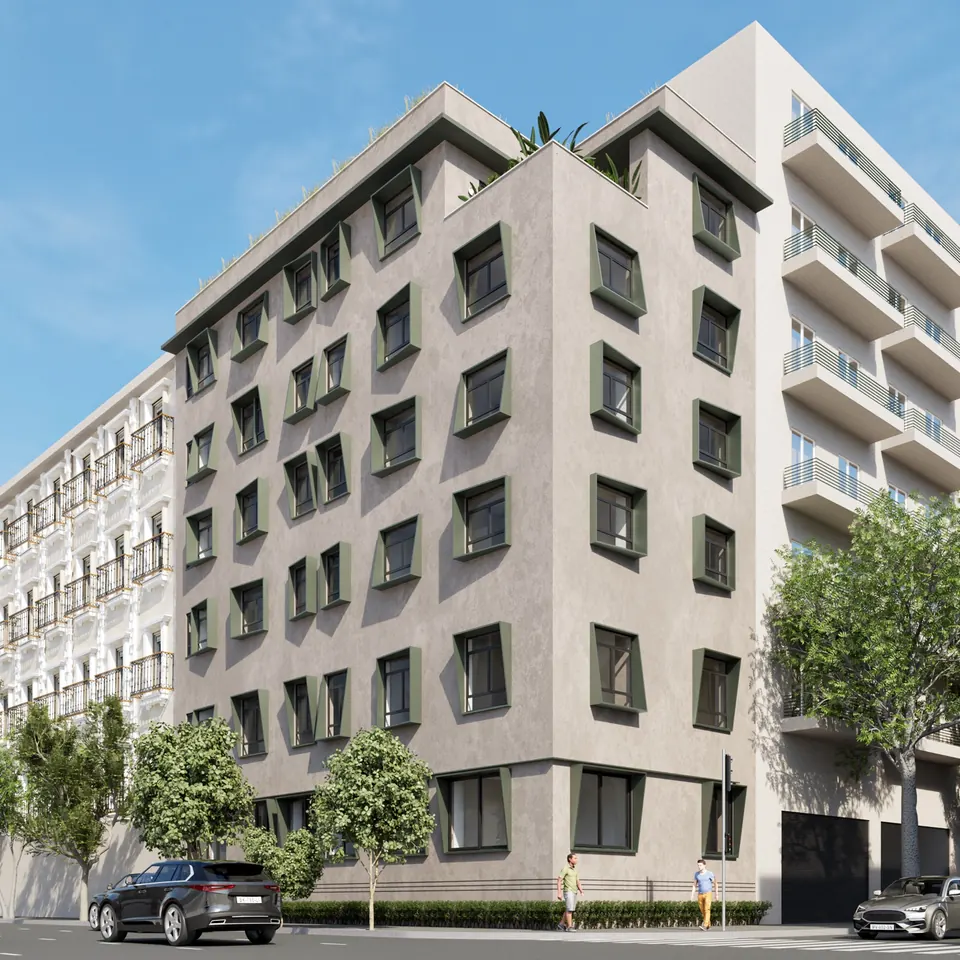
Athens Center · AthensGA-05
Athens Centre Residences
A €250,000 Golden Visa corner conversion in central Athens, beside the Archaeological Museum and Omonia: 21 furnished studios, one-beds and a penthouse.
- Beds
- Studio – 2 bed
- Energy Class
- —
- Delivery
- 2027
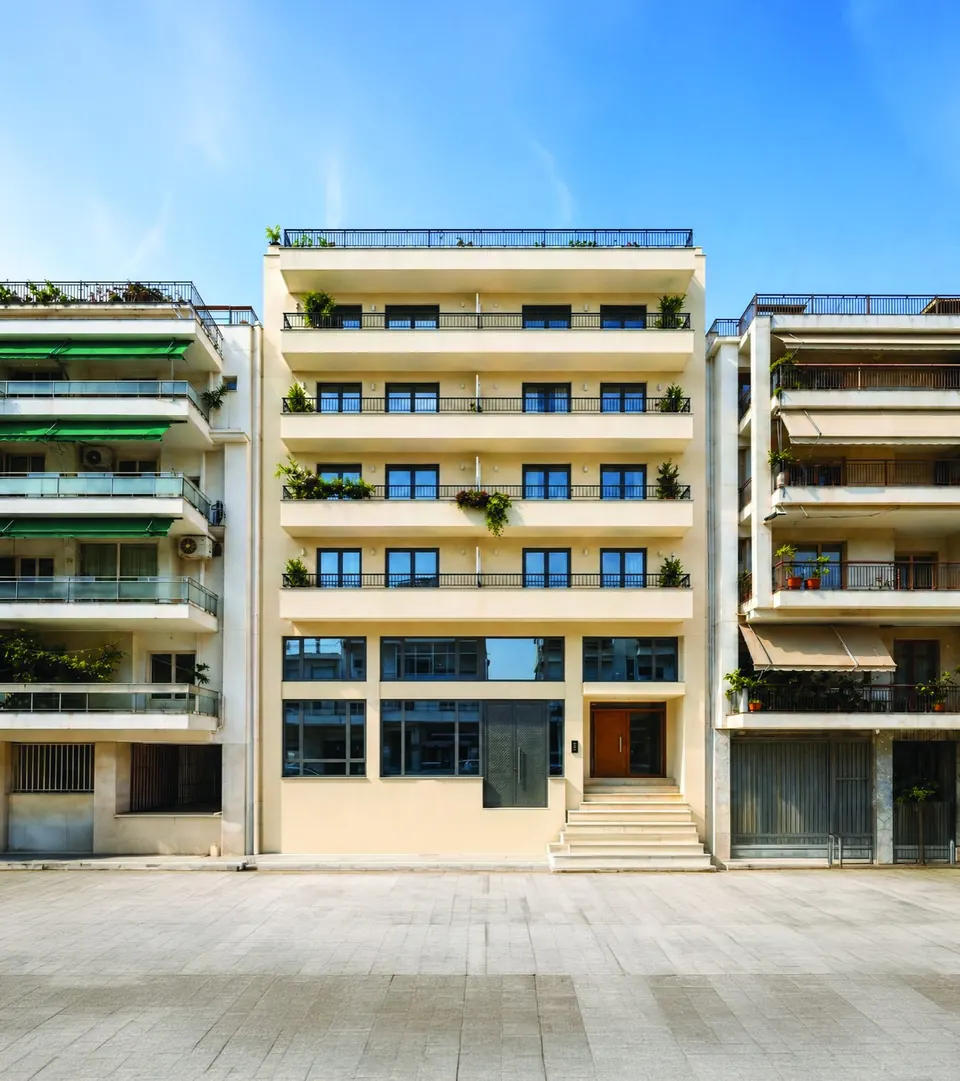
Evelpidon · AthensGA-26
Evelpidon Residences
A €250,000 Golden Visa conversion in Evelpidon — an office turned into homes: ground/first-floor one-bedrooms from €250,000.
- Beds
- 1 bed
- Energy Class
- —
- Delivery
- 2027
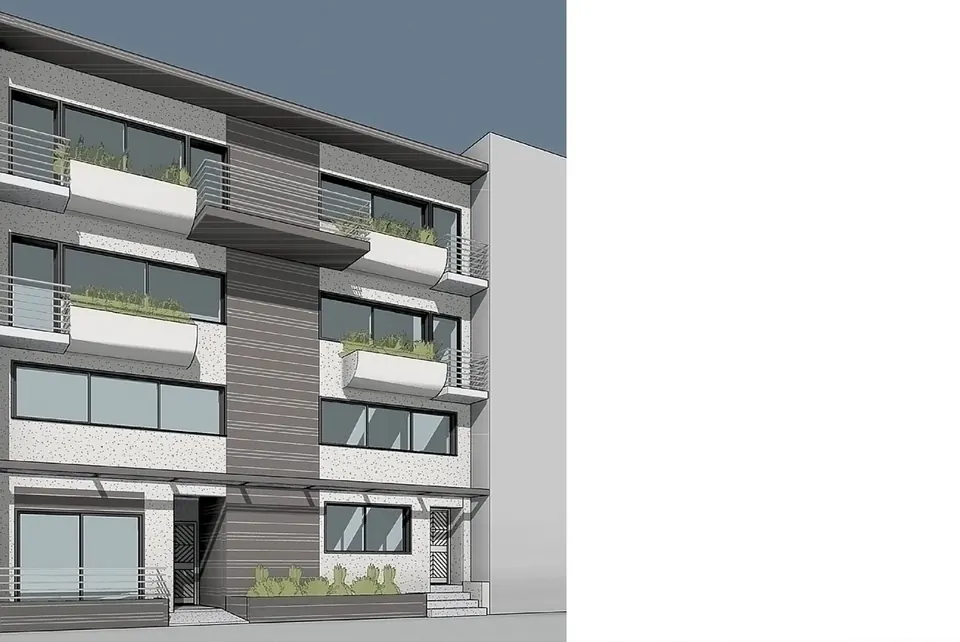
Egaleo · AthensGA-42
Egaleo Apartment
The last available apartment in a small 8-unit conversion project in Egaleo, west Athens: a 42 m² one-bedroom on the ground floor, delivered furnished. Exactly €250,000 — the minimum amount required for the Golden Visa.
- Beds
- 1 bed
- Energy Class
- —
- Delivery
- 2026